


How to Close Your Pool for Winter the Right Way
A pool closed wrong in October turns into a green, algae-choked mess by April, plus a pump or heater that cracked because water sat frozen in the lines all winter....
EZ Pools |


Flo Control
1720C15
Flo Control 1720C15 True Union Swing Check Valve 1.5 in Slip Clear


Flo Control
1700-15
Flo Control 1700-15 True Union Spring Check Valve, 1-1/2 in Slip PVC

Valterra Products
200-C15
Valterra 200-C15 1-1/2 in Clear Slip x Slip Swing-Spring Check Valve


Magic Plastics
0801-20H2
Magic Plastics 0801-20H2 CR2 2 in. Corrosion Resistant Check Valve

Flo Control
1050C20
Flo Control 1050C20 Air Check Valve 1.5 x 2 Clear 1/4 lb Spring


Flo Control
1720C20
Flo Control 1720C20 2 in. Clear True Union Swing Check Valve


Custom Molded Products
25830-400-000
CMP 25830-400-000 HydroSeal CPVC Check Valve 2 in x 2.5 in


Valterra Products
200-C20
Valterra 200-C20 2 in. Slip x Slip Clear PVC Swing/Spring Check Valve


Flo Control
1700C20
NDS 1700C20 True Union Spring Check Valve 2 in Clear


Flo Control
1795C20
NDS 1795C20 Clear 2 in True Union Spring Check Valve


Magic Plastics
0823-10C
Magic Plastics 0823-10C 1 in Union Smart Check Valve Clear


Flo Control
1700C15
Flo Control 1700C15 True Union Spring Check Valve 1-1/2 in Clear


Pentair
263060
Pentair 263060 FullFloXF 2-Way Straight CPVC Check Valve 2.5 x 3 in


Magic Plastics
0823-20C
Magic Plastics 0823-20C Smart Check 2 in Clear Union Check Valve


Magic Plastics
0830-15C
Magic Plastics 0830-15C Clear Check Valve 1.5 x 2 in 0.25 lb Spring


Magic Plastics
0823-20MC
Magic Plastics 0823-20MC Smart Check 2 inch Union Check Valve


Custom Molded Products
25830-500-000
CMP 25830-500-000 Serviceable Check Valve 1/4 lb 2 in S x 2.5 in SPG


Magic Plastics
0821-20C
Magic Plastics 0821-20C Smart Check Valve 2 in Slip x Slip Clear


A pool closed wrong in October turns into a green, algae-choked mess by April, plus a pump or heater that cracked because water sat frozen in the lines all winter....
EZ Pools |

Choosing the right pool heater isn't as simple as picking the biggest one you can afford. Get undersized and your heater runs constantly, struggles to hold temperature, and burns through...
EZ Pools |

Muriatic acid is one of the most commonly used chemicals in pool care, and for good reason. It’s highly effective at keeping water chemistry in check and preventing scale buildup...
EZ Pools |
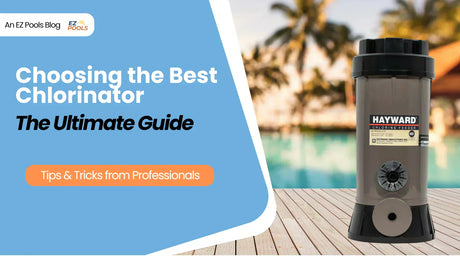
When summer rolls around, there's nothing quite like taking a refreshing dip in a crystal-clear pool. However, achieving that perfect water quality requires the right maintenance tools, and one of...
EZ Pools |
In maintaining a sparkling clear swimming pool, understanding the differences between flocculants and clarifiers is crucial. Many pool owners often grapple with choosing the right chemical to tackle murky water,...
EZ Pools |
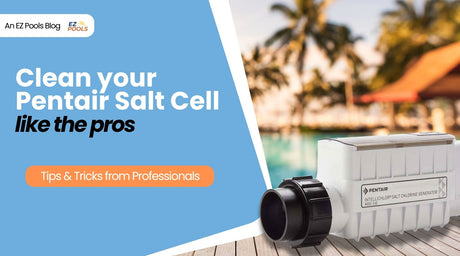
Salt Cells are one of the biggest quality-of-life improvements any pool owner can get. But what happens when your salt cell is clogged & no longer producing chlorine? In this...
EZ Pools |

Keeping your pool in pristine condition has never been easier! Dive into our list of the top 5 pool cleaning tools every pool owner needs to ensure a clean, safe,...
EZ Pools |
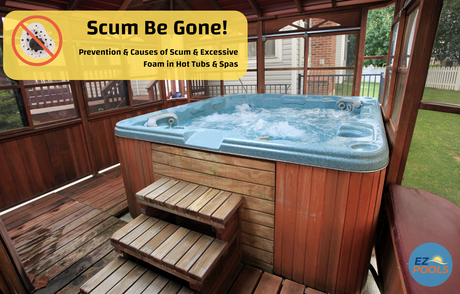
Tired of battling foam and scum in your spa or hot tub? Our guide dives into the causes and delivers proven prevention strategies for pristine water.
EZ Pools |
