Variable Speed Pool Pumps

(9 products)

Variable speed pool pumps are the most energy-efficient way to circulate your pool water. By running at lower speeds for everyday filtration and ramping up only when needed, they use a fraction of the electricity of traditional single speed pumps — without sacrificing performance. Compatible with most existing plumbing and major automation systems, upgrading is straightforward for nearly any pool setup. EZ Pools carries variable speed pumps from Pentair, Hayward, Jandy, and more to fit every pool size and budget.

View as

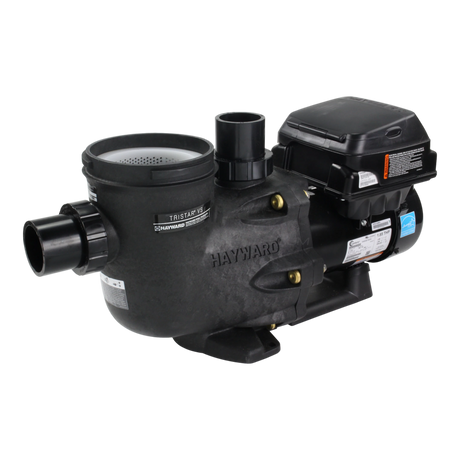
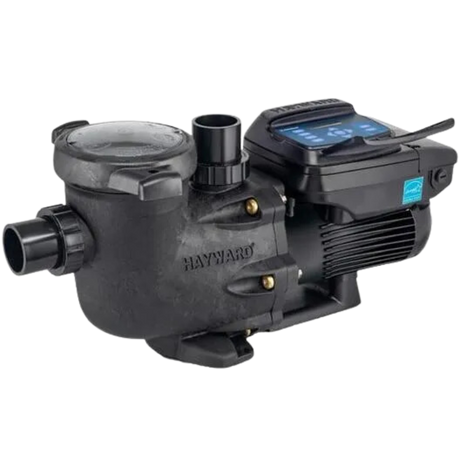
Hayward TriStar VS 1.85HP variable speed pool pump black

Why Variable Speed Pumps Are the Smart Upgrade

Variable speed pumps have become the standard for residential pools — and for good reason. Unlike single speed pumps that run at full power constantly, variable speed models let you dial in the exact speed needed for each task. Low speed for overnight circulation, higher speed for running a heater or cleaner. The result is dramatically lower energy consumption and a quieter pump overall.

Most utilities offer rebates for switching to variable speed, and many states now require them on new installations. If you're still running a single speed pump, the upgrade typically pays for itself within one to two seasons in electricity savings alone.

EZ Pools carries variable speed pumps from Pentair, Hayward, Jandy, and more. Whether you're doing a direct swap or upgrading your full system, we have options to fit your plumbing and budget.

Choosing the Right Variable Speed Pump

Not all variable speed pumps are interchangeable. Key things to match when replacing: horsepower, voltage (115V vs 230V), and whether your existing plumbing is 1.5" or 2". Most modern variable speed pumps are self-priming and compatible with automation systems like Pentair IntelliConnect or Hayward OmniLogic, but it's worth confirming compatibility before purchasing.

For most residential pools, a 1.5 to 2 HP variable speed pump covers the full range of tasks comfortably. Larger pools with waterfalls, spas, or long pipe runs may need 2.5 to 3 HP. When in doubt, match or slightly exceed your existing pump's horsepower rating.

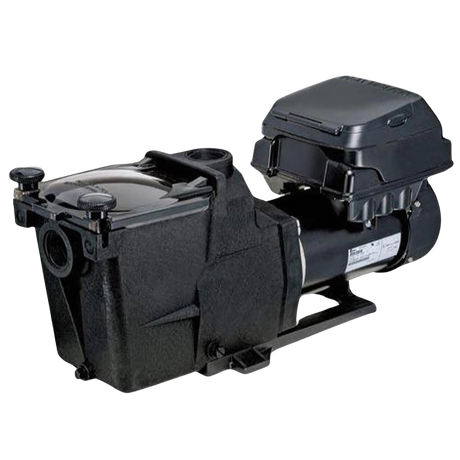
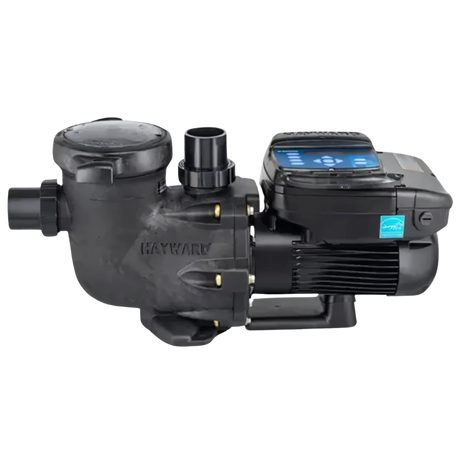
Hayward MaxFlo VS Pool Pump - EZ Pools

Frequently Asked Questions

How much can I save by switching to a variable speed pool pump?
Variable speed pumps use up to 90% less energy than single speed models. Exact savings depend on your pool size and run time, but most homeowners see the pump pay for itself within one to two seasons. Many utility companies also offer rebates for upgrading.
Are variable speed pumps compatible with my existing pool equipment?
Most variable speed pumps are drop-in compatible with standard plumbing and work with major automation systems. Check that the horsepower and voltage match your existing setup, and confirm compatibility with any automation system you use before purchasing.
What speed should I run my variable speed pump at?
For daily circulation, running at 1,500 to 2,000 RPM is efficient for most pools. Bump up to 2,500 to 3,000 RPM when running a heater, cleaner, or water feature. Your pump's manual will have specific recommendations based on your pool volume.
Do I need an electrician to install a variable speed pool pump?
If you are doing a direct replacement on the same voltage, many homeowners handle the swap themselves. If you are changing voltage or running new wiring, a licensed electrician is recommended. Always follow local codes and the manufacturer's installation guidelines.
Are variable speed pumps required by law?
Many states now require variable speed pumps on new pool installations due to energy efficiency mandates. Even where not required, the energy savings make them the preferred choice over single speed models. Check your local building codes for specific requirements.

Frequently Asked Questions

How much can I save by switching to a variable speed pool pump?
Variable speed pumps use up to 90% less energy than single speed models. Exact savings depend on your pool size and run time, but most homeowners see the pump pay for itself within one to two seasons. Many utility companies also offer rebates for upgrading.
Are variable speed pumps compatible with my existing pool equipment?
Most variable speed pumps are drop-in compatible with standard plumbing and work with major automation systems. Check that the horsepower and voltage match your existing setup, and confirm compatibility with any automation system you use before purchasing.
What speed should I run my variable speed pump at?
For daily circulation, running at 1,500 to 2,000 RPM is efficient for most pools. Bump up to 2,500 to 3,000 RPM when running a heater, cleaner, or water feature. Your pump's manual will have specific recommendations based on your pool volume.
Do I need an electrician to install a variable speed pool pump?
If you are doing a direct replacement on the same voltage, many homeowners handle the swap themselves. If you are changing voltage or running new wiring, a licensed electrician is recommended. Always follow local codes and the manufacturer's installation guidelines.
Are variable speed pumps required by law?
Many states now require variable speed pumps on new pool installations due to energy efficiency mandates. Even where not required, the energy savings make them the preferred choice over single speed models. Check your local building codes for specific requirements.

Variable Speed Pool Pumps

Shop our selection of variable speed pool pumps and start saving on energy costs today. Variable speed pumps use up to 90% less electricity than single speed models and qualify for utility rebates in most states. EZ Pools carries variable speed pumps from Pentair, Hayward, Jandy, and more to fit every pool size and budget. Browse our variable speed pool pumps and get free 2-day shipping now and maximize your efficiency all season long!